5 Jun 2026
From Wallet Transfers to Tiered Thresholds: Tracing How Payout Channels Guide Mobile Accumulator Strategies and Live Table Progressions
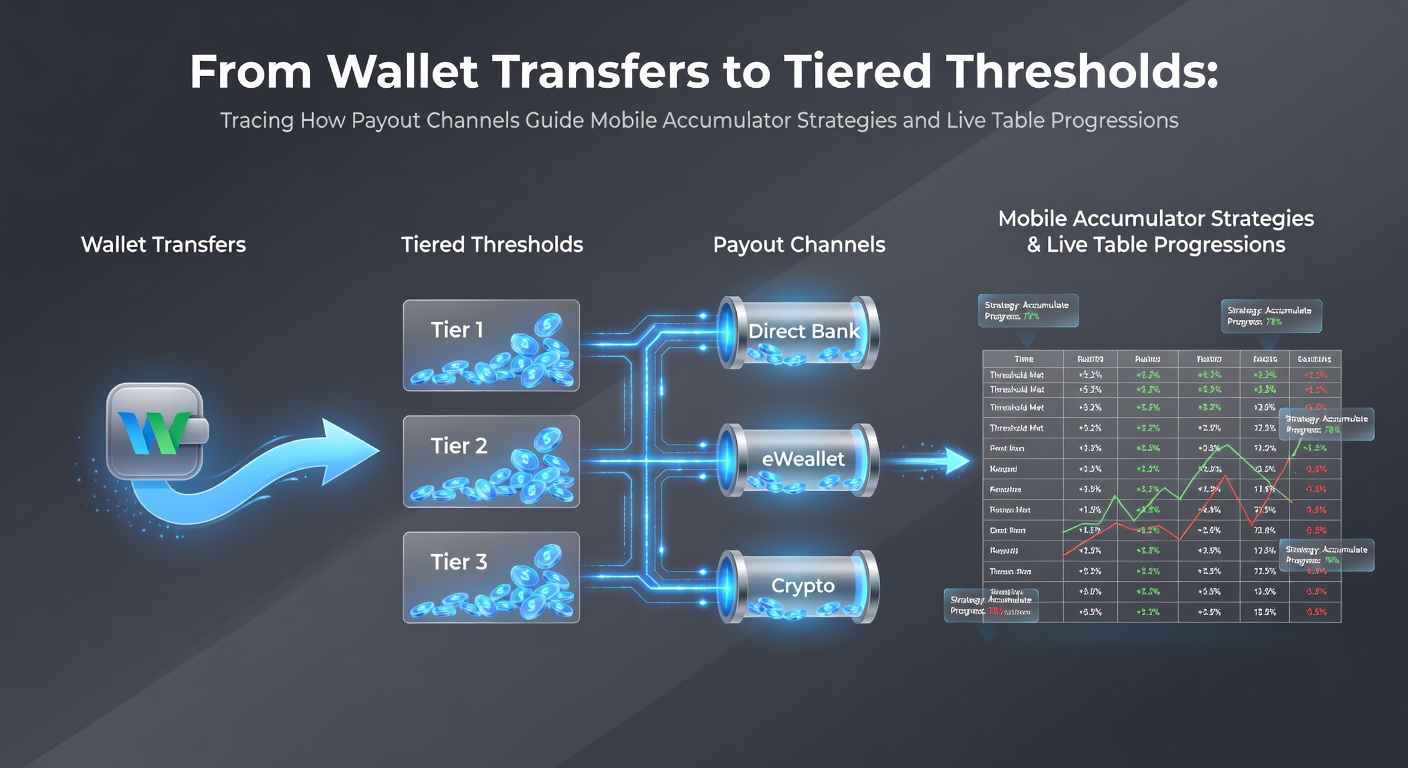 Payout channels shape how players structure their mobile accumulator strategies and navigate live table progressions because transfer speeds, fee structures, and approval tiers determine when funds become available for continued play. Observers note that instant wallet transfers often support rapid accumulator builds across sports betting markets and slot sequences while slower bank transfers impose natural pauses that affect progression pacing at live dealer tables. Data from industry reports shows these mechanics create distinct patterns where players time deposits to match threshold requirements for higher payout limits or bonus unlocks. Mobile accumulators rely on quick fund movements to chain multiple selections before odds shift or events conclude and payment gateways that process withdrawals in under an hour allow players to reinvest winnings without interruption. Tiered thresholds come into play when operators set minimum and maximum withdrawal amounts that scale with account verification levels, so players who complete additional checks gain access to larger daily limits that support extended live table sessions. Researchers at the Canadian Centre for Gaming Research have documented how these layered payout rules influence session length and bet sizing across mobile platforms. Wallet providers integrate directly with casino apps to streamline deposits and this connectivity reduces friction during accumulator construction because players can top up balances mid-sequence without leaving the betting interface. Live table progressions follow similar logic yet they incorporate time-sensitive elements such as dealer rotations and table minimum adjustments that reward players who maintain sufficient balances through timely transfers. When payout channels enforce cooldown periods after large withdrawals, players adjust their live table strategies by shifting to lower-stakes games until funds clear. Payment processing data reveals that e-wallet users complete more accumulator bets per session compared with those relying on card deposits because instant confirmation supports the rapid decision cycles required in mobile sports and casino environments. Tiered systems further refine these behaviors by unlocking progressive withdrawal speeds at higher loyalty stages, which in turn encourages consistent play across both accumulator and live dealer formats. Platforms anticipate adjustments by June 2026 as new threshold frameworks emerge from evolving regulatory discussions in multiple jurisdictions.
Wallet Transfers and Accumulator Construction
Accumulator strategies depend on seamless fund movement because each additional leg in a multi-selection bet requires available balance at the moment of placement and delays from traditional banking rails can break the chain. Wallet transfers bypass these delays, allowing players to respond to live odds changes while maintaining momentum across several events. Evidence suggests that operators offering instant deposit bonuses tied to specific wallet providers see higher volumes of accumulator activity during peak mobile hours.
Fee structures attached to these transfers also matter since repeated small deposits accumulate costs that erode overall returns and players therefore consolidate transfers into larger amounts that align with payout thresholds. This consolidation pattern creates predictable spikes in mobile accumulator volume immediately after salary cycles or promotional periods when fresh funds enter player accounts. Observers note that these timing patterns appear consistently across platforms regardless of game mix.
Tiered Thresholds in Live Table Environments
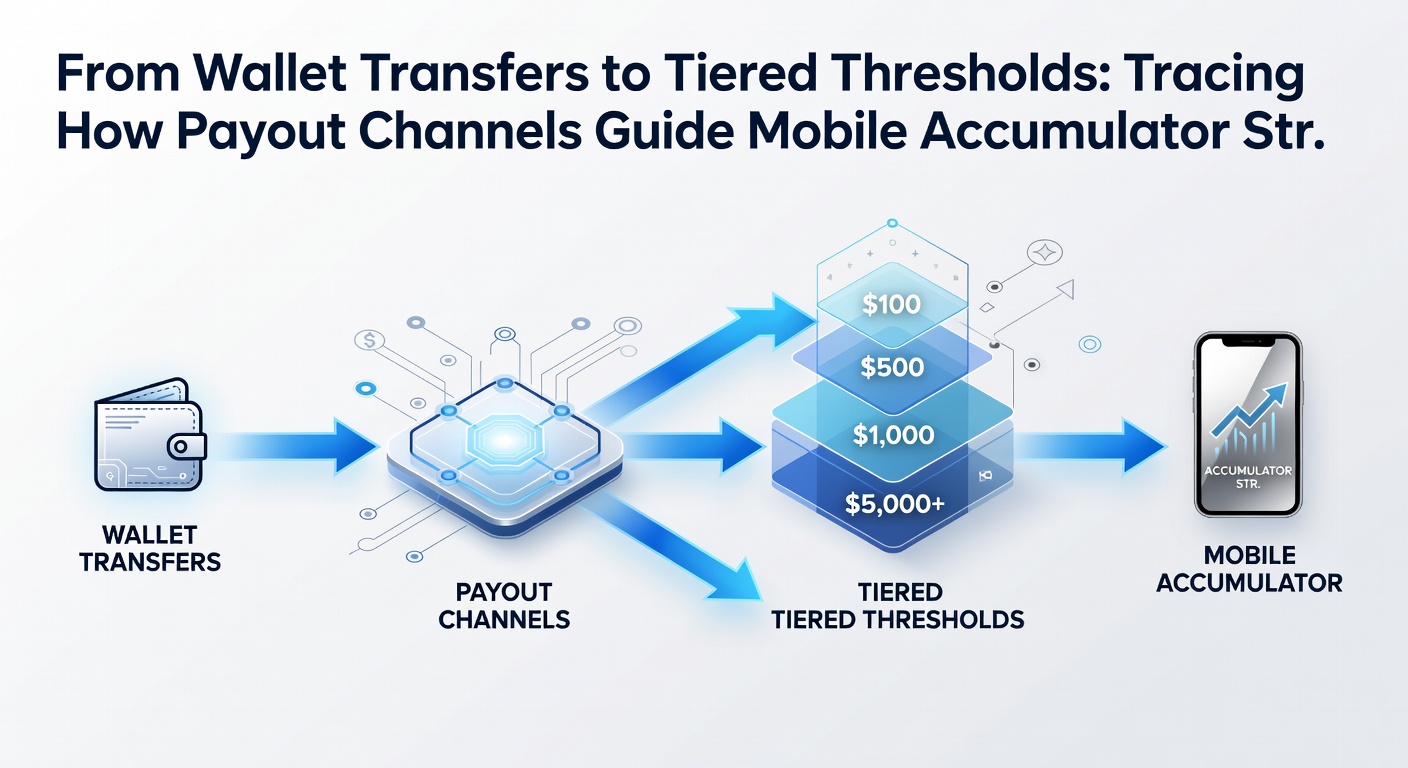
Live table progressions operate under different constraints because table minimums and maximums adjust dynamically and players must hold sufficient verified funds to remain at higher-limit tables. Tiered thresholds determine how quickly winnings can be withdrawn or redeployed and this affects whether a player can sustain an extended progression or must step down after a single large win. American Gaming Association figures reveal that platforms with graduated withdrawal tiers report steadier engagement at live dealer tables because players stay within familiar balance ranges.
Verification requirements tied to these tiers add another layer because full approval often unlocks faster processing that supports continuous play while basic accounts face daily caps that force strategic pauses. Players who reach higher tiers gain flexibility to move between mobile accumulator bets and live tables within the same session without waiting for manual reviews. This flexibility shows up in session data as longer average play times once accounts clear the second or third verification stage.
Interactions Between Channels and Game Types
Payment channels create feedback loops where accumulator success on mobile feeds into live table bankrolls and vice versa because winnings from one format become available for the other through the same payout infrastructure. When wallets process both deposits and withdrawals at comparable speeds, players experiment more freely across formats instead of segregating funds by game type. Industry analyses indicate that this cross-format movement increases overall handle on platforms that maintain unified payout ledgers.
Thresholds also interact with promotional mechanics because many bonus structures require a minimum withdrawal amount before players can claim cash equivalents and this requirement pushes accumulator builders toward larger combined stakes to meet the bar. Live table players encounter parallel rules when cashback offers tie to verified payout histories and the combination of these rules shapes distinct progression paths for each player segment. European Gaming and Betting Association reports track similar threshold effects across multiple European markets where payout policies vary by license type.
Conclusion
Payout channel design and tiered threshold systems together establish the operational boundaries within which mobile accumulator strategies and live table progressions develop adn these boundaries shift as operators refine verification processes and wallet integrations. Data shows measurable differences in player behavior based on transfer speed and approval levels yet the underlying mechanics remain consistent across platforms. As regulatory environments evolve, these payout structures will continue to determine how quickly and effectively players can move between accumulator sequences and live dealer tables.