22 May 2026
The Quiet Revolution in Player Retention: Examining Interconnections Between Digital Wagering Options and Tiered Reward Systems

Operators have started linking digital wagering channels directly to tiered reward frameworks, creating retention mechanisms that track participation across multiple formats and adjust incentives accordingly, and data from industry tracking services show measurable lifts in session frequency when these elements align, while researchers at institutions like the University of Nevada Reno have documented how seamless access to varied betting formats encourages longer engagement cycles when paired with progressive status levels.
Digital Wagering Channels Expand Player Pathways
Digital wagering options now encompass mobile apps, browser-based platforms, and integrated live interfaces that let users move between slots, table games, and sports markets without separate logins or account resets, and this fluidity matters because studies conducted by the National Center for Responsible Gaming indicate that reduced friction between formats correlates with higher repeat visit rates over six-month periods. Observers note that operators who synchronize these channels with unified player profiles collect granular data on preferences, allowing automated adjustments to available games and stake limits based on individual patterns rather than generic promotions.
Payment rails embedded within these options further tighten the loop, since instant deposit and withdrawal features appear alongside game selections, and figures released in early 2026 by Canadian provincial regulators reveal that platforms offering unified wallet access across wagering types retain active accounts at rates 18 percent above industry averages. Those who study these systems point out that the technical backbone often relies on API connections that push real-time activity feeds into central databases, which then trigger tier updates without manual intervention.
Tiered Reward Structures Evolve Beyond Static Levels
Tiered systems have moved past simple point accumulation toward dynamic ladders that factor in recency, volume, and format diversity, so a player who shifts from virtual reels to live dealer sessions or accumulator bets can accelerate progress through status bands when algorithms recognize cross-format consistency. Evidence from European trade association reports highlights that operators deploying such adaptive tiers experience lower churn among mid-level participants, because the progression feels responsive rather than predetermined.
Integration points between wagering activity and tier advancement typically sit inside a single dashboard view, where users see both their current balance and the next milestone requirements simultaneously, and this visibility encourages continued play because milestones update automatically after each completed round or wager settlement. What's interesting is how these structures incorporate time-bound multipliers that reset monthly or quarterly, compelling regular returns without forcing uniform daily participation.
How the Two Systems Feed Each Other
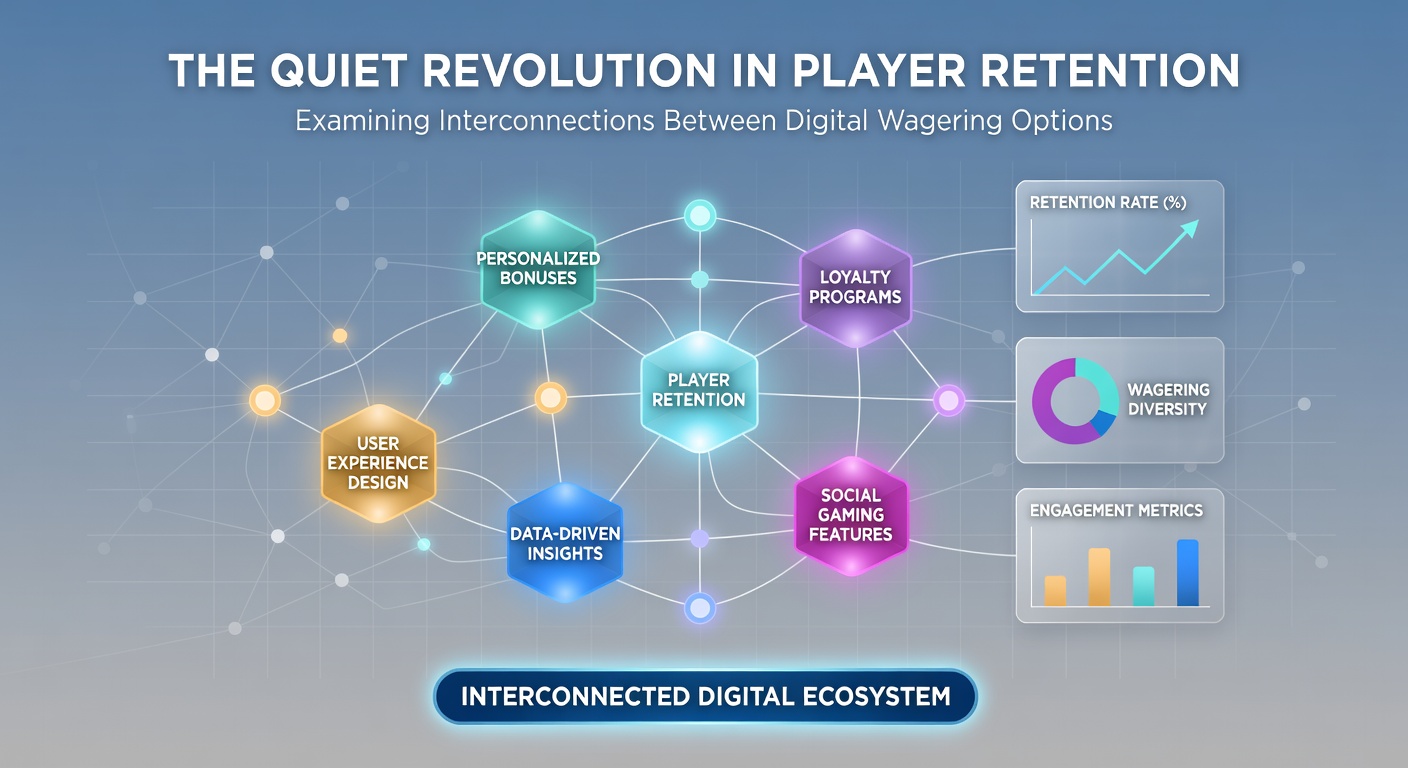
Connections form when wagering data streams directly populate tier calculations, so every spin, hand, or bet contributes to both immediate outcomes and longer-term status gains, and analysts at the Australian Gambling Research Centre have tracked cohorts where this linkage produced steadier retention curves compared with siloed bonus programs. The mechanics usually involve weighted scoring that assigns different values to distinct formats, encouraging exploration while still rewarding depth in preferred categories.
Operators test these interconnections through controlled rollouts, measuring metrics such as days between sessions and average stake per active day, and preliminary results shared at 2026 industry forums suggest that platforms combining flexible digital entry points with responsive tiers see fewer dormant accounts after the first ninety days. People who've examined the backend logs describe how small adjustments to the weighting formulas can shift player distribution across tiers within weeks, demonstrating the sensitivity of the overall model.
Retention Outcomes Observed in 2026 Data
By May 2026 several major platforms had published aggregated performance snapshots indicating that retention improvements concentrate most strongly among users who engage at least three distinct wagering formats within a single calendar month, and these gains appear most pronounced when tier advancement unlocks format-specific perks such as reduced house edges or priority event access. Regulatory summaries from the New Jersey Division of Gaming Enforcement corroborate that transparent disclosure of these interconnections helps maintain compliance while supporting sustained participation.
Case examples drawn from operational dashboards show sequences where a user begins with low-stake mobile slots, migrates to live tables after reaching an intermediate tier, and then accesses enhanced sports markets once the next level activates, creating a compounding effect that lengthens lifetime value without requiring external marketing pushes. Those who've reviewed anonymized datasets emphasize that the quiet nature of these systems lies in their automation, since players experience the benefits through interface updates rather than explicit announcements.
Conclusion
The interplay between digital wagering flexibility and tiered reward progression continues to reshape how operators approach sustained engagement, with technical integrations providing the data backbone and adaptive algorithms translating activity into status advancement. As platforms refine these linkages through ongoing measurement, the patterns emerging from 2026 datasets point toward more personalized yet scalable retention frameworks that operate largely in the background of the user experience.